

At Cambridge Retail Advisors, we spend a lot of time conducting and sharing our own consumer research. But as much as I enjoy digging into our own data, it's also fun to see what others are discovering, especially when we start connecting the dots across industries.
Recently, I came across Yum! Brands' second annual food trends report, What's Next in Dining, developed in collaboration with its internal strategy agency, Collider Lab.
Yum! Brands has definitely evolved over the years, even completing the sale of Pizza Hut earlier this year. Whether it was going to Pizza Hut as a kid, picking up a bucket of KFC chicken for the family, stopping at Taco Bell with friends or grabbing something at Habit Burger & Grill, many of us have experienced brands that have been part of the Yum! family.
Now, some of my retail colleagues might be wondering why I'm bringing up a restaurant industry report. And those on the restaurant and hospitality side might be wondering why I'm looking at it through a retail lens.
That's exactly what makes this research interesting to me.
I know I've touched on this in previous articles, so forgive me if you've heard it before. It reminds me of one of my all-time favorite musicals, Oklahoma!, and the song “The Farmer and the Cowman.” For years, retail and hospitality have operated much like those two groups, each with its own operating model, challenges and expertise.
But just as the farmer and the cowman ought to be friends, retail and hospitality have much to learn from one another. It's about weaving aspects of each industry into your own brand and customer experience. That doesn't mean every retailer needs to serve food or host special events, or that hospitality businesses need to become retailers. It's about recognizing what each does well and where bringing those strengths together makes sense. And in some cases, evolving consumer expectations may make it less of an option and more of a necessity.
Bringing the Best of Both Worlds Together
Perhaps nowhere is this intersection more apparent today than in convenience retail (C-stores).
As convenience retailers have expanded their foodservice offerings, many have brought experienced restaurant and hospitality professionals into their organizations, adding another perspective to how stores operate, how associates are trained and how customers are treated.
I've walked into convenience stores where you can genuinely feel that hospitality vibe. It comes through in the atmosphere, the people, the service and the attention given to the customer experience.
At the same time, these organizations are bringing the operational strengths of retail into hospitality: inventory management, merchandising, technology, efficiency and execution.
What's interesting is watching these brands continue to refine that balance between operational efficiency and genuine hospitality, finding the happy medium that works for their brand, their associates and their customers.
Both industries have something to teach the other. Remember Venn diagrams? I like to think of retail and hospitality in much the same way. Some aspects will naturally remain exclusive to each industry, but it's that overlapping space where things get interesting. Many brands are already finding ways to weave elements of both into an experience that reflects who they are and what their customers value.
Specialty retailers such as Tommy Bahama have been bringing these worlds together for years. Others are exploring coffee shops, specialty beverages, social spaces, and special events. For some, it's less about introducing new offerings and more about bringing a hospitality mindset into the experience they already provide.
Whether you're operating a convenience store, a grocery store, a Coach location, a family entertainment center, a LEGOLAND theme park or a sports stadium, you're ultimately competing for some combination of the same things: the consumer's time, attention and discretionary spending.
That's why I believe the findings from Yum! Brands are worth exploring beyond the restaurant industry.
What's Next in Dining — And Perhaps Retail?
Yum! Brands and Collider Lab identified three emerging trends in their 2027 Food Trends Report:
- Perma Snack Mode
- The Crave for Experience
- Edible Exploration
All three are interesting, but the first two particularly caught my attention as I continue to think about where experiential retail is heading, especially as it looks to be one of the hot topics as we get closer to NRF '27.
That's because, in my mind, the same consumer who visits Taco Bell on a Friday evening might also shop at American Eagle, spend time at a theme park, attend a sporting event or meet friends at a shopping destination.
Their tastes, preferences and ideas about what enhances their lifestyle don't suddenly change when they walk through the doors of a different business.
While we shouldn't assume every restaurant industry finding translates directly into retail, we shouldn't overlook the potential connections either. In fact, some of the most interesting opportunities may come from looking at consumer trends outside our own industry.
Perma Snack Mode: Does Retail Really Need a Restaurant?
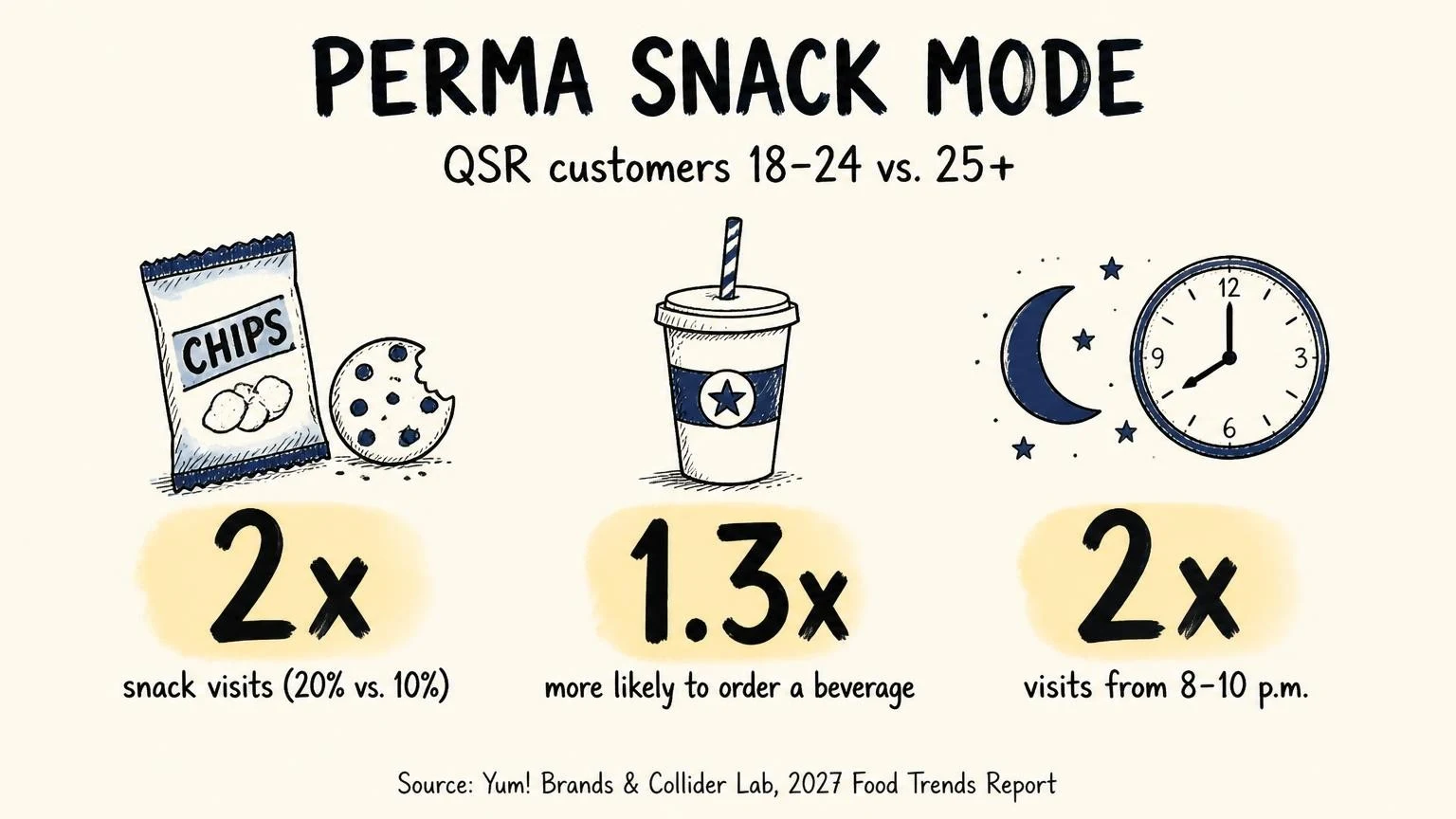
According to Yum! Brands' research, QSR customers ages 18–24, compared with those ages 25 and older, are:
- Twice as likely to visit for a snack occasion — 20% versus 10%.
- 30% more likely to order a beverage.
- Visiting twice as often between 8 and 10 p.m.
Additionally, according to page 8 of the report, nearly three-quarters of the new menu ideas that Gen Z and millennials expressed the most confidence in during testing leaned toward snacks and desserts.
For convenience and grocery retailers that have already gone down this path, these findings provide some additional insights to consider as they continue to evolve their grab-and-go offerings, specialty beverage programs, smaller portions, desserts and late-night foodservice.
From a marketing standpoint, Wawa already appears to be tapping into this trend. Watching some of its commercials featuring younger consumers and customizable specialty beverages, I can't help but think about the traditional Slurpee or Starbucks run. Wawa is giving consumers another destination to consider when they're craving their favorite drink or looking to try something new.
But what about specialty apparel, home furnishings and other areas of retail?
As retailers, and even brands like Coca-Cola and Netflix that are creating their own physical experiences, consider incorporating food and beverage into their environments, they don't necessarily need to invest in a full-service restaurant. A smaller selection of specialty beverages, appetizers, snacks and desserts could be enough to complement the experience they're trying to create.
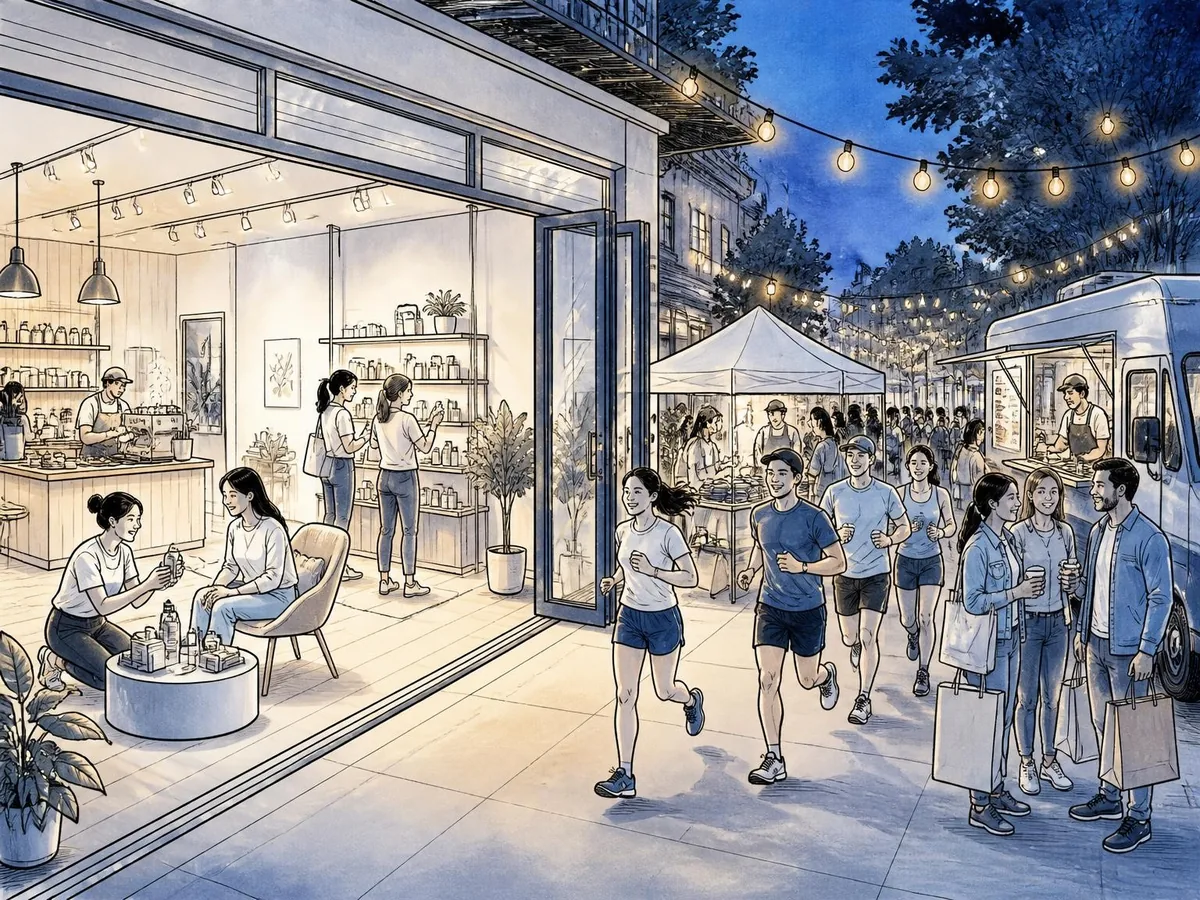
Imagine walking into a specialty apparel store with a couple of friends. You grab a specialty drink, share a few snacks, discover some merchandise and spend time together.
Maybe you're there for 20 minutes. Maybe you're there for an hour.
Perhaps you purchase something, discover something you'll come back for or simply enjoy spending time with your friends. For a retailer looking to build a stronger relationship with that generation, there's an opportunity worth exploring.
Food and beverage don't have to become the centerpiece of the business. They could simply provide another reason to visit.
Are We Open When Our Customers Want to Engage?
That finding about younger consumers being more likely to visit between 8 and 10 p.m. particularly caught my attention.
If younger consumers are visiting QSRs twice as often during those hours, what might that tell us about when they're looking to get out, grab something to eat, socialize or spend time with friends?
If you're a retailer targeting that same demographic but closing your doors at 8 p.m., is there an opportunity you're overlooking?
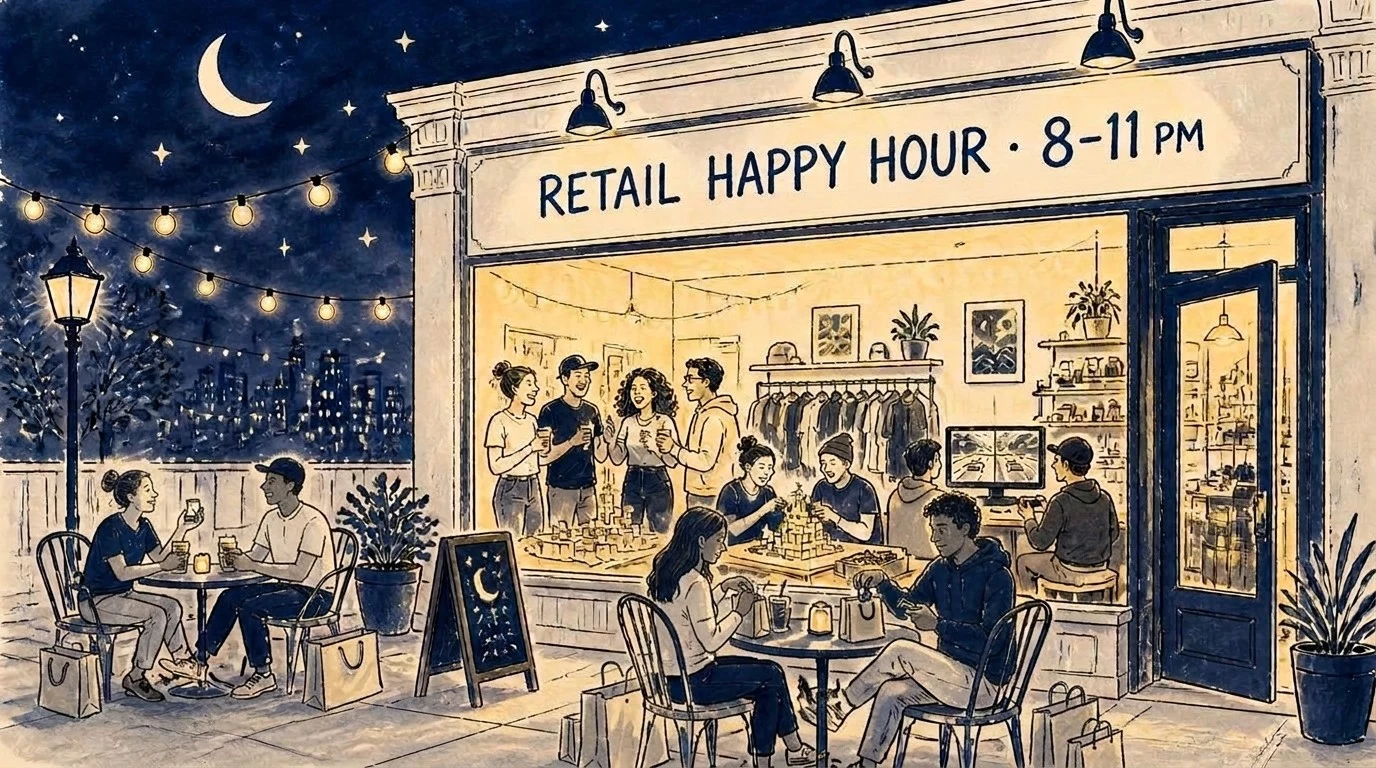
What would happen if brands like Hollister, American Eagle, Spencer's, GameStop or even LEGO experimented with their own version of a retail happy hour?
Imagine an evening between 8 and 11 p.m. with specialty beverages, small bites, music, product discovery and opportunities to socialize. Depending on the brand, it could include gaming tournaments, building challenges, product demonstrations, outdoor entertainment, brand collaborations or even limited-capacity, ticketed experiences.
It doesn't mean extending operating hours every night of the week.
Maybe it's a Friday evening, a monthly event, a seasonal experience or something built around a product launch. If retailers are investing in creating more social environments, they should also consider whether their operating hours align with when their customers want to enjoy them.
And if we're investing in experiences that encourage customers to spend more time with our brands, shouldn't we also consider when they're most likely to have that time to spend?
The Crave for Experience: What Makes It Special?
Yum! Brands' second trend is where things get particularly interesting.
Its research found that QSR customers ages 18–24 are nearly twice as likely as those ages 25 and older to choose a restaurant offering a more special experience.
For years, the restaurant and hospitality industries have focused heavily on convenience, value, consistency, operational efficiency and the ability to deliver those things at scale. While all of those remain important, Yum!'s research suggests that offering a more special experience is becoming an increasingly important reason for younger consumers to choose one restaurant over another.
I believe there's something here for hospitality and retail brands alike to consider.
But what defines a special experience?
That's going to differ depending on who you're trying to attract, what they're looking for and even where they live. An atmosphere or social experience that resonates with customers on the West Coast may look different from what resonates with customers in the South, Midwest or Northeast.
While broader consumer trends exist, so do regional cultures, tastes and lifestyles. Brands have an opportunity to maintain their identity while adapting elements of their experience to reflect the communities they serve.
Interestingly, Yum!'s research identifies being perceived as “very cool” as the leading attribute driving brand momentum within QSR.
But I think we need to look beyond the word cool. What's considered cool by one customer may not resonate with another. It's about creating an experience that resonates with your customers, complements their lifestyles and gives them another reason to choose your brand.
And perhaps my favorite finding in the entire report:
Employee hospitality continues to be the number one driver of guest experience.
With all the conversations we're having around AI, automation, self-service and the technologies being introduced into our stores and hospitality environments, I think that's worth repeating.
Now, does that same desire for a more special experience apply to retail? Would consumers also choose a particular convenience store, grocery store, specialty retailer or pop-up location because of the experience it offers?
Other consumer research provides some interesting perspective.
Are We Seeing Similar Trends Beyond Restaurants?
After reading Yum!'s report, I looked at two other pieces of consumer research that approach the subject from different perspectives but uncover some interesting similarities.
In research released this year, Lightspeed, working with Censuswide, shared findings from a survey of 3,000 consumers, evenly split between the United States and Canada.
Among consumers ages 18–24:
- 83% say social retail environments help them feel more connected.
- 75% consider in-store social spaces important when deciding where to shop.
- 68% say they would spend more as a result of social retail experiences.
While Lightspeed's research approaches the subject from a retail perspective, it aligns nicely with what Yum! Brands is finding within the restaurant industry. The experience itself can influence where consumers choose to go and how they engage with a brand.
Taking it a step further, research from The Harris Poll, highlighted by OAAA, provides some additional insight into what might be driving this desire for more social experiences:
- 71% of Gen Z adults believe they're missing out on the kinds of in-person experiences older generations had at their age.
- 68% would like more spontaneous opportunities to meet people and develop friendships.
What's interesting is that we have three different organizations looking at consumers from three different perspectives: dining, retail and human connection.
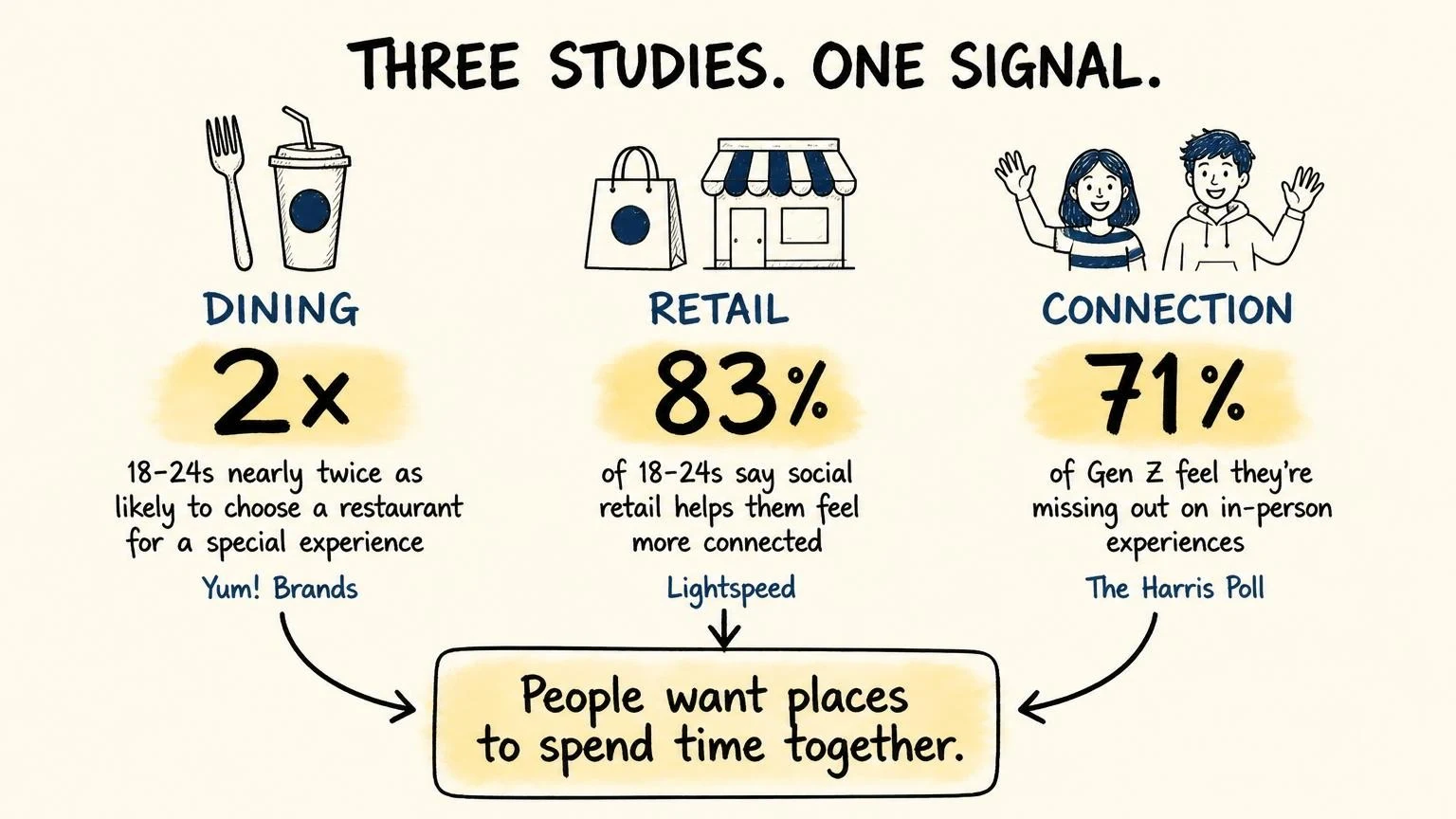
While none of these studies specifically tells us that consumers want a retail happy hour, a specialty beverage counter or a particular type of event, collectively they provide some additional context as to why those opportunities might be worth exploring.
Consumers are expressing a desire for more distinctive experiences, more opportunities to socialize and more ways to connect with others in person.
That gives both retail and hospitality brands something to think about. What role could your brand play in fulfilling some of those desires while complementing the experience you already provide?
People, Product, Place — And Community
Yum! Brands looks at the experience through three dimensions: people, product and place. After looking at the additional research from Lightspeed and The Harris Poll, I'd consider adding community to that discussion.
Great products, genuine hospitality and an inviting atmosphere can all give customers a reason to visit. But creating opportunities for people to connect, socialize and share experiences could give them another reason to return, even when they don't have a specific purchase in mind.
How much emphasis a brand places on each of these elements will depend on its identity, its customers and the experience it's looking to provide.
Not Every Customer Wants an Experience Every Time
One thing I want to be clear about is that I'm not suggesting we turn every retail transaction into an immersive experience.
There are times when I walk into a store with my headphones on. I know exactly what I want, I don't particularly want to talk to anyone, and I'd like to get in and out as quickly as possible. Sometimes, I'll simply order it online.
Other times, I want to slow down, discover something new, talk with someone knowledgeable about a product or enjoy spending time somewhere.
I'm the same customer. I'm just looking for a different experience.
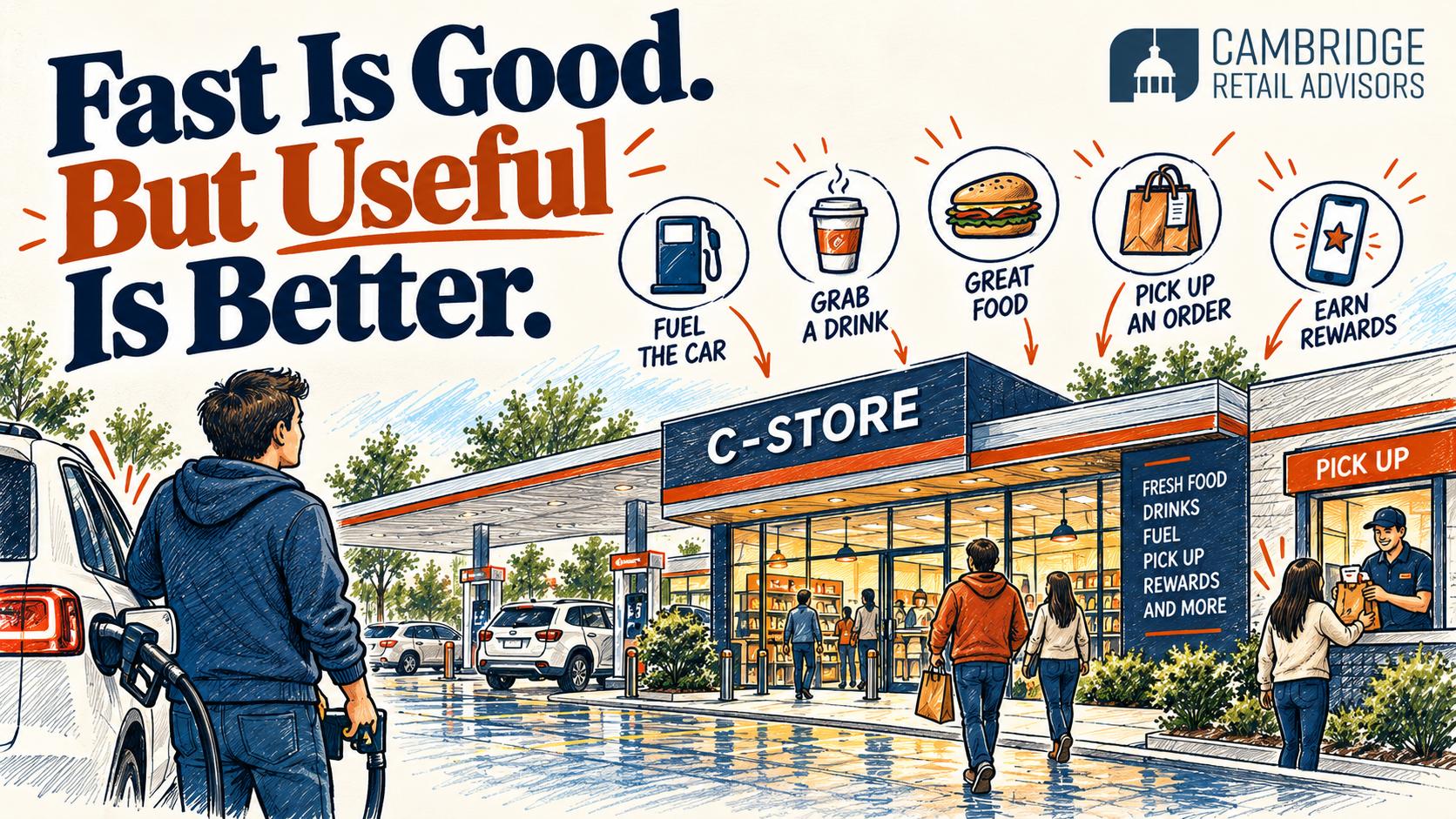
A convenience retailer can provide an efficient grab-and-go experience while also becoming a destination for those who want to stay, eat and socialize. A specialty retailer can offer digital ordering and quick pickup alongside a more relaxed environment for those who want to browse and discover.
Both are perfectly legitimate customer journeys.
Providing great hospitality doesn't mean forcing interaction or creating additional steps. It means recognizing what the customer is trying to accomplish and respecting how they want to engage.
That relationship can also evolve over time. Someone who initially interacts with your brand through a simple transaction may eventually discover an event, a product, an associate or a community that gives them another reason to return.
You don't have to introduce them to everything your brand offers during their first visit. Give them the opportunity to discover it over time.
Where Technology Can Bring It All Together
Naturally, as someone who spends a lot of time in retail technology, I start thinking about how these experiences could be supported.
Retailers have opportunities to connect event discovery, reservations, ticketing, food and beverage ordering, merchandise purchases and loyalty within a more cohesive customer experience.
Loyalty programs could recognize engagement beyond merchandise purchases. Digital experiences could allow customers to participate remotely, while AI could help customers discover events and opportunities that genuinely align with their interests.
There's also a significant operational component to bringing these industries together. Inventory, foodservice, staffing, payments, reservations, ticketing and customer data all need to work together.
This is where retail's operational expertise can complement the guest-centric mindset of hospitality.
But I wouldn't start with the technology.
I'd start by understanding what experience we're trying to create, who we're creating it for and why they would value it. Then determine how technology can help deliver it effectively and efficiently.
If You Build It, Will They Come?
There's a famous line from Field of Dreams: “If you build it, he will come.”
Perhaps we should turn that into a question for retail and hospitality brands.
If you create an experience around great products, genuine hospitality, an inviting atmosphere and opportunities for people to connect, will customers choose to spend more time with your brand?
The research from Yum! Brands, Lightspeed and The Harris Poll suggests the opportunity is real. But this isn't a one-size-fits-all strategy. What works for one brand, demographic or community may not work for another, and it may take some trial and error to find the right combination for your brand, your customers and your business.
Would we consider an experience successful if someone spent an hour with our brand, purchased a beverage, brought two friends, but didn't purchase any merchandise?
What if they came back the following week?
For decades, retailers have invested in helping customers spend less time completing a transaction. Perhaps there's also an opportunity to give customers a reason to spend more time with us.
The two objectives don't have to compete.
What I appreciate about this research is that it encourages us to look beyond our own industries, learn from one another and think differently about what consumers value and how they choose to spend their time.
Maybe the next evolution of experiential retail isn't simply about bringing foodservice, entertainment or more technology into our stores.
Maybe it's about learning how to become a better host.
THE LENS
The short version for your next meeting.
The key points, what to try, and the question to ask your team. Free PDF. No form.
Get The Lens