

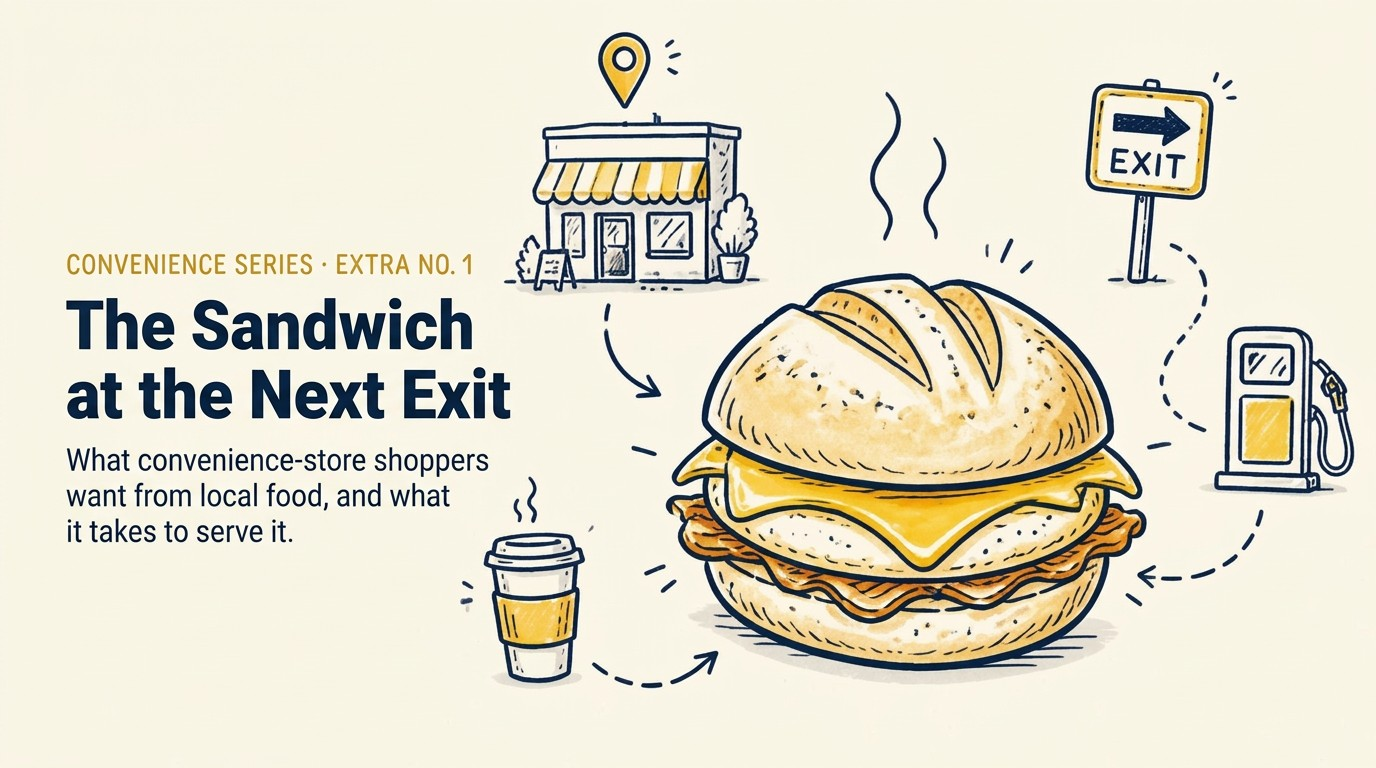
I’ll pick one stop over another because I know I can get the breakfast sandwich I like. At lunch, it might be barbecue. Sometimes it’s as simple as knowing I can stop at Wawa and get a drink made the way I like it. I already know what I’m going to order before I pull in.
That familiarity is hard to build. Once you have it, it’s a good reason for someone to come back.
You can see why convenience retailers are investing in that kind of familiarity. Refuel plans to open a Whataburger next to a new store in Kenedy, Texas. GoMart is working with Wienerschnitzel in West Virginia. RaceTrac bought Potbelly, and 7-Eleven operates Laredo Taco Company at select stores. They’re taking different routes to becoming a place people think of when it’s time to eat.
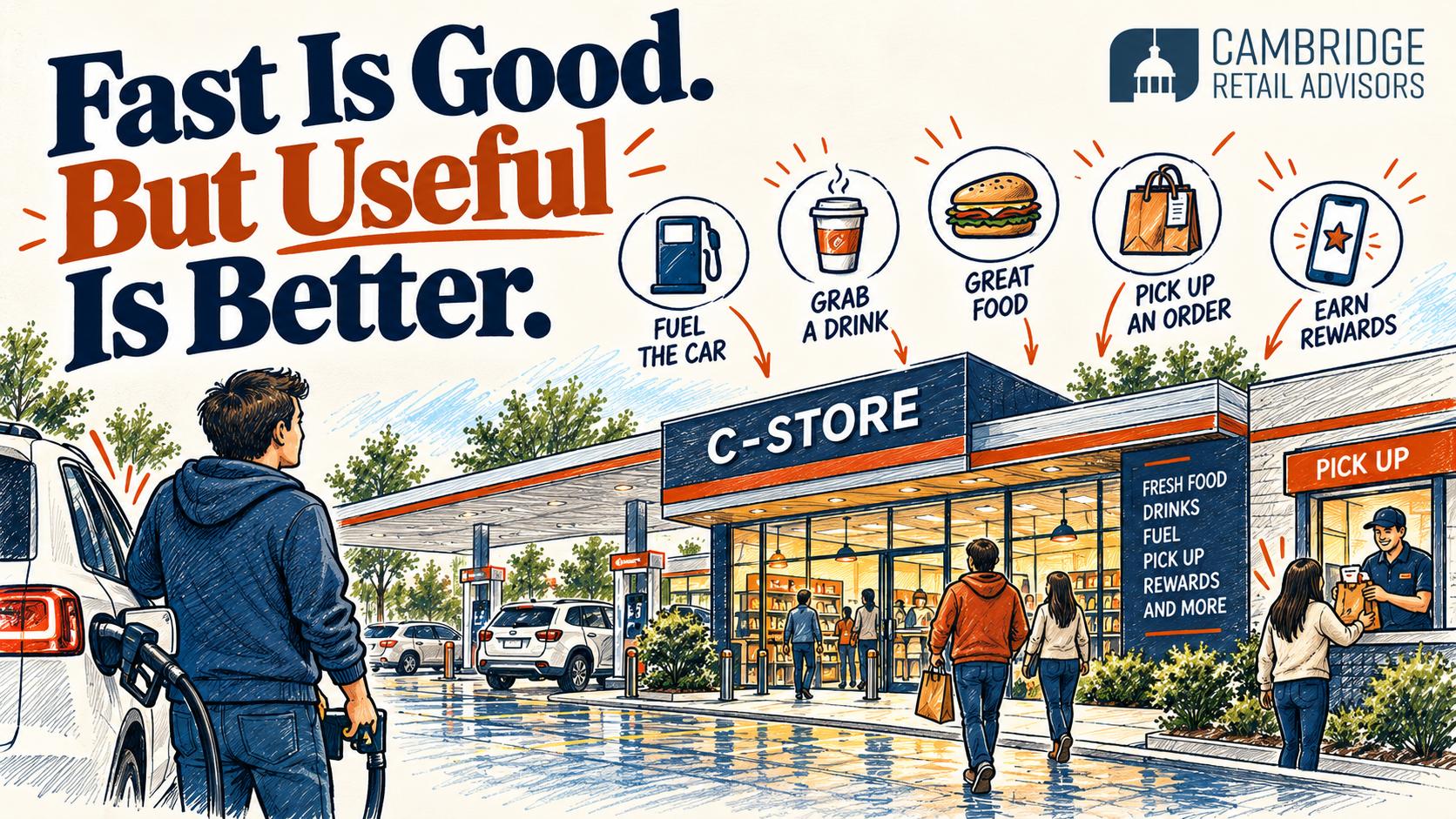
In Can a C-Store Beat the Drive-Through?, we looked at what makes a c-store a useful stop for a meal. You can fuel up, pick up a few things you need, and grab lunch on the same trip. But the food still has to earn the trip.
So we asked 500 U.S. convenience-store shoppers what kind of food offering would make them most interested in buying a meal. 45.3% picked an option with a local component. The most-selected specific offering, at 20.5%, was a mix of the store’s own food and local partners. The other local options were a popular local restaurant or a rotating local food truck or chef concept.
A well-known national restaurant brand was the first choice for 16.0%. The store’s own food brand drew 13.1%, and 20.6% had no preference. Everyone got one pick.

I keep coming back to that mix. The most popular food option kept the store’s own menu and added a local partner.
Circle K is a good example. It teamed up with Burrito Express, a local Phoenix chain, and runs it out of its own kitchens. Circle K still sells its own food. Customers get a local name they know, and the store keeps its menu. That’s a win for both.
It doesn’t have to be a whole restaurant. It could be a local dish, or just ingredients from local places, like a roll from the bakery down the street, or peaches when they’re in season.
Restaurants have been doing this for a while. Tommy Bahama keeps one core menu everywhere, then adds a rotating “fresh sheet” of local dishes in each market. Its Macadamia Crusted Fresh Catch is on every menu, but the fish depends on where you are and the season. Regulars get the dish they know. Visitors get a taste of the town.
That’s the same balance the survey points to. Keep the menu people know how to order, and give them a reason to get it at your store.
The harder part is behind the counter: getting the right stores stocked, and making sure the app knows what’s available.
What’s one thing made near your store that would make a customer choose your sandwich over the one at the next exit?
Cambridge Retail Advisors surveyed 500 U.S. convenience-store shoppers ages 18 and older in September 2026. Results are weighted.
THE LENS
The short version for your next meeting.
The key points, what to try, and the question to ask your team. Free PDF. No form.
Get The Lens